Gardeners Ealing: Recycling and Sustainable Practices for Garden Waste
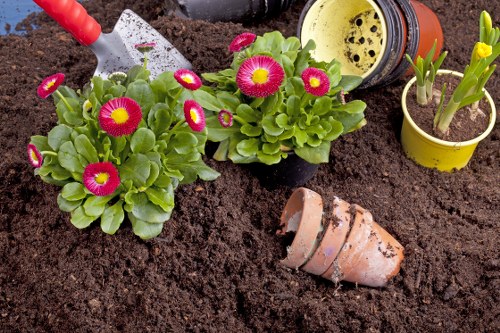 Welcome to Gardeners Ealing's sustainability page, where our focus is on creating an eco-friendly waste disposal area and a truly sustainable rubbish gardening area in West London. We manage green waste, pruning debris and container soil responsibly so neighbourhood gardens and communal spaces benefit from circular reuse and low-carbon logistics. This page outlines our targets, operations with local transfer stations, charity partnerships, and the practical steps we take to keep garden materials moving back into productive use rather than to landfill.
Recycling percentage target and our commitment
Our current recycling percentage target is ambitious but achievable: Gardeners Ealing aims for a 70% recycling and reuse rate of all garden-origin materials by 2028. That target covers wood chips, compostable green and food waste, soil reconditioning materials and reusable pots and planters. We measure progress monthly and report on diversion rates from landfill. The 70% goal is complemented by a continuous improvement plan to raise reuse and reduce residual rubbish in our sustainable gardening operations.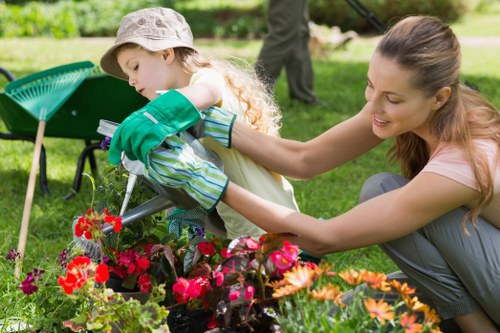
Local transfer stations and waste separation
We rely on carefully selected local transfer stations and reuse hubs across the borough and neighbouring west London areas to receive segregated loads. Many boroughs operate straightforward approaches to waste separation — kerbside dry recycling, food waste, and garden waste collections — and we align our collections to those streams. Key benefits of working with local transfer stations include faster turnaround for organic processing, reduced vehicle mileage and improved sorting efficiency.Our services link directly with reuse networks and civic infrastructure. We prioritise delivering sorted loads to facilities that process:
- Compost and anaerobic digestion for green/food waste
- Wood chipping and bioenergy streams for larger woody material
- Soil screening and remediation hubs for re-use in landscaping
Partnerships with charities and community groups are central to our approach. Gardeners Ealing collaborates with local community gardens, redistribution charities and volunteer groups to repurpose usable items — plant pots, tools, topsoil, bulbs and mature plants — that would otherwise be thrown away. We stage regular collections for community reuse projects and support community compost schemes that return organic matter to volunteers and residents. Working with charities reduces waste and strengthens neighbourhood resilience.
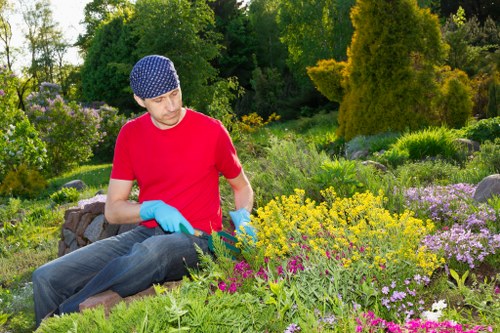
Sustainable rubbish gardening area: on-site best practice
On clients' sites and communal green spaces we implement practical steps to maintain a low-impact, sustainable rubbish gardening area. These include on-site segregation stations for green, woody and inert waste; temporary compost bays for maturing matter; and reuse zones for pots and furniture. Clear labelling and staff training ensure materials are placed in the right streams at source. Segregation at source is the single most effective action to improve recycling quality and reduce contamination.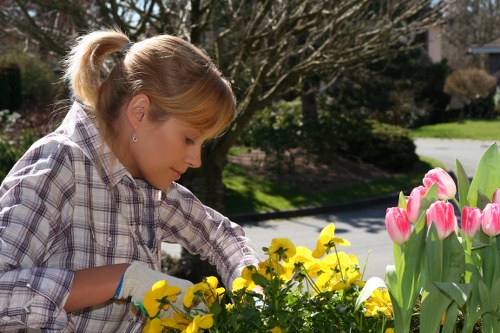
Low-carbon vans and low-emission logistics
Gardeners Ealing is transitioning to a low-emission fleet to support our sustainable rubbish gardening area ambitions. We operate a mix of electric vans, plug-in hybrids and low-emission diesel vehicles while moving to fully low-carbon options over the coming years. Route optimisation, load consolidation and the use of e-cargo bikes for short urban hops reduce mileage and urban congestion. Our fleet strategy targets a 50% low-carbon vehicle share within two years and full conversion by 2030, reducing operational emissions dramatically.How we sort and prepare garden waste matters. We ask clients to separate woody pruning, soft green trimmings, soil and non-organic rubbish at point-of-service. That makes it easier to deliver clean streams to transfer stations and reuse hubs, and it supports local borough systems that encourage separation of food, garden and dry recycling. When contamination is detected, we provide corrective sorting and advice to improve future collections.
Performance, measurement and continuous improvement
We monitor diversion rates, carbon intensity of collections and the quantity of material sent to reuse or composting facilities. Regular on-site audits, route emissions tracking and partnerships with transfer stations inform our quarterly sustainability reports. We also maintain an internal materials ledger that records volumes of wood chips, compost produced or reused, pots redistributed and soil restored. This data helps us refine targets and share best practice with community partners.Gardeners Ealing is committed to building an accessible, community-focused model for an eco-friendly waste disposal area that serves private gardens, communal blocks and public green spaces. By combining clear sorting guidance, partnerships with local transfer stations and charities, and investment in low-carbon vans, we deliver a pragmatic, measurable route away from landfill. Our actions support borough-wide separation systems and help neighbours understand how to manage green waste sustainably.
We believe simple measures — onsite segregation, community compost bays, donation of reusable materials and scheduled deliveries to nearby transfer stations — create a resilient and circular local gardening economy. These practices boost the health of urban soils, cut emissions from transport, and enable local groups to access resources they need for community greening projects. Local reuse is local resilience.
Join us in making Ealing greener. Adopt these small changes in your garden or communal green area and support a larger shift toward sustainable garden waste disposal. Together we can reach and exceed our recycling percentage target, cut carbon from gardening operations and keep valuable organic materials returning to the soil where they belong.

